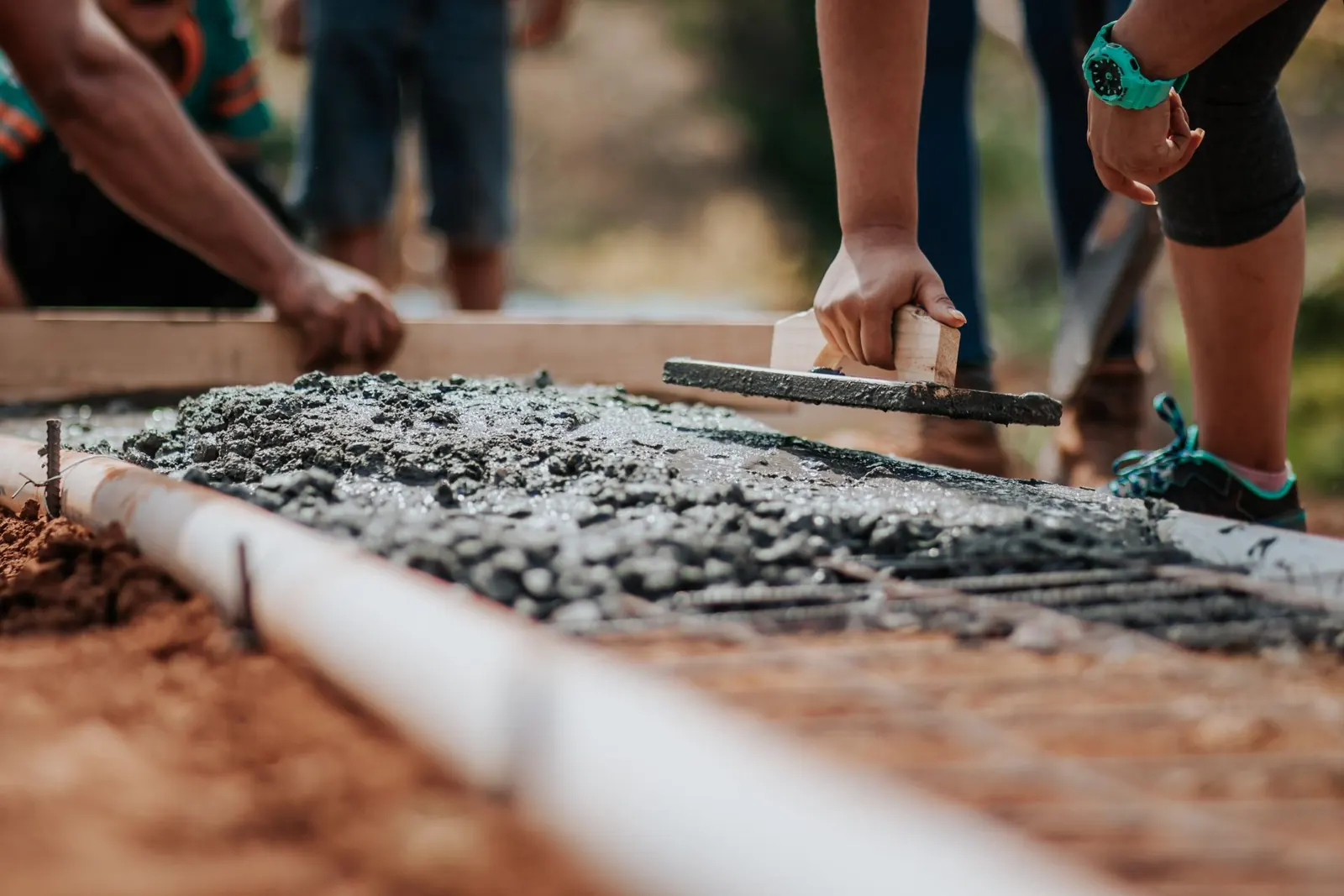
Concrete rarely fails here because of the concrete. It fails because of what is under it and where the water goes. Savannah sits on the lower Coastal Plain: level ground a few dozen feet above sea level, with poorly drained soils on the flats and a seasonal water table that can be within a foot of the surface. A slab poured flat on that ground holds water, and a base that stays wet loses its strength.
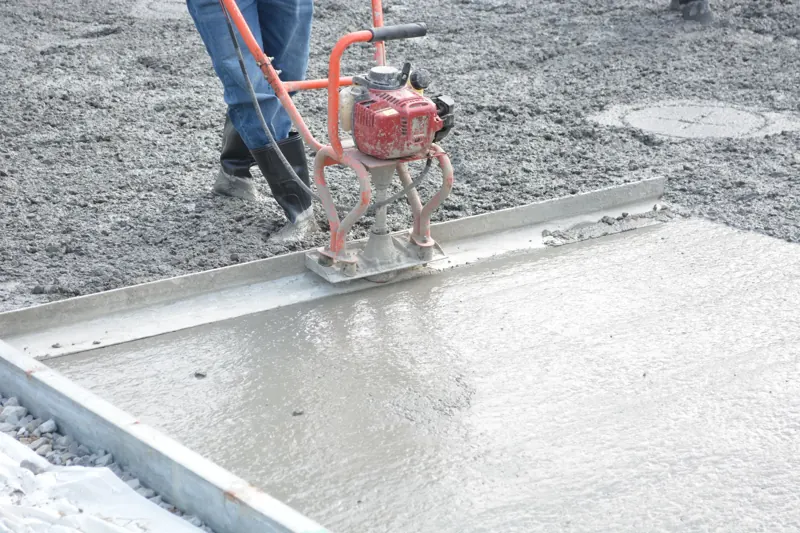
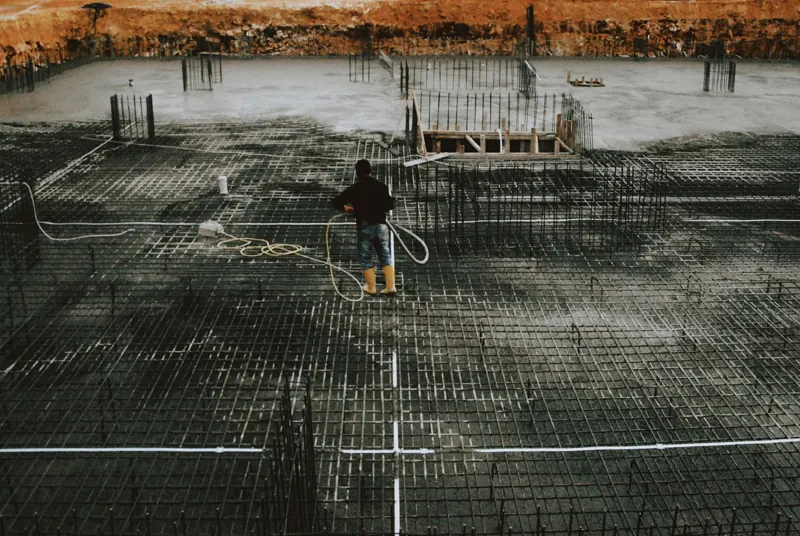
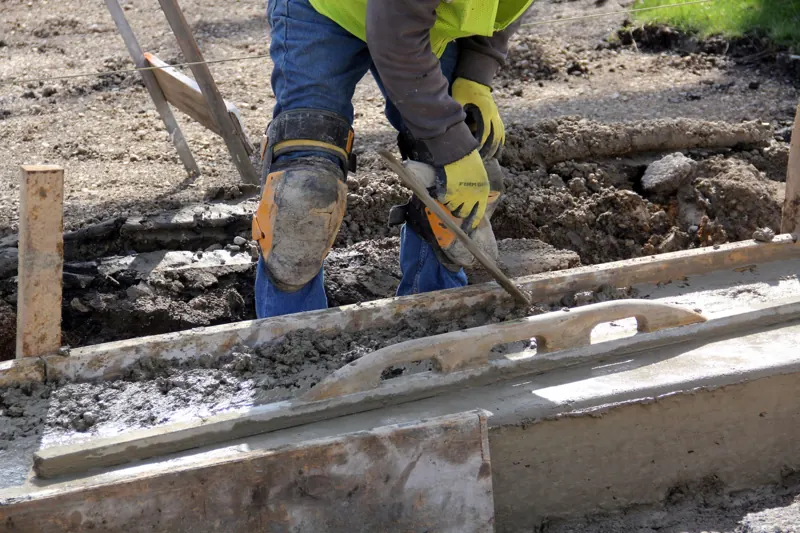
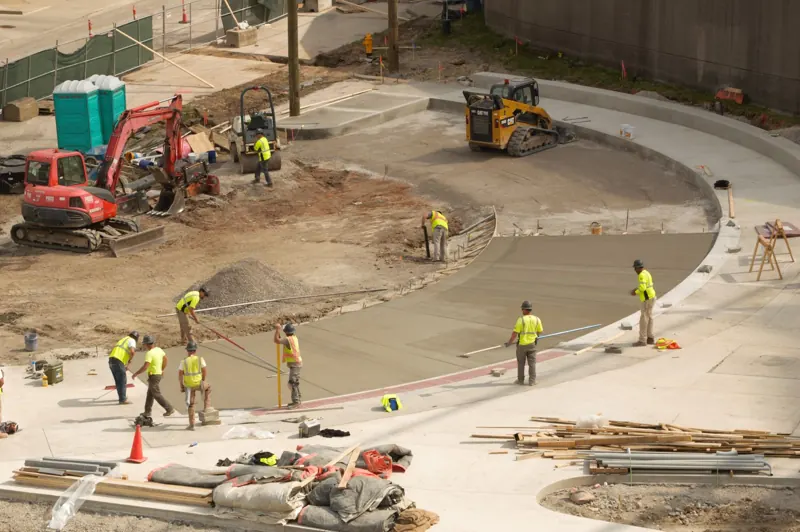
So the work starts before the truck arrives. We check grades, dig out soft spots, bring in graded aggregate and compact it, and set a fall that sends water away from the house and off the slab. Control joints go in on a planned layout, so the cracking every slab does as it shrinks happens in straight lines where we chose.
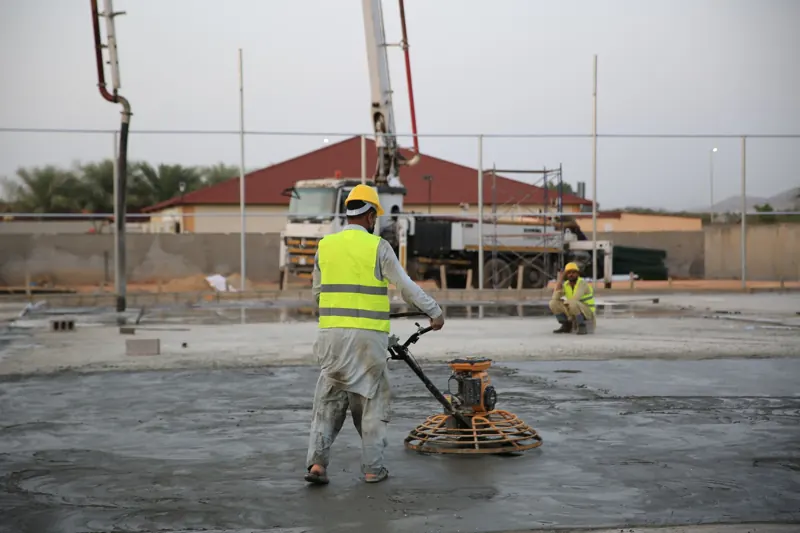
Heat is the other half. With about 81 days a year at 90°F or more, we pour early, keep the mix from drying too fast and start curing as soon as finishing is done. Freezing is a minor issue, around 21 nights a year, nearly all of them in midwinter.
About 55% of Chatham County's homes were built before 1980, so many jobs begin with an old driveway or patio. Removal, haul-away and repair of the base underneath are separate lines on our estimate, not surprises later.